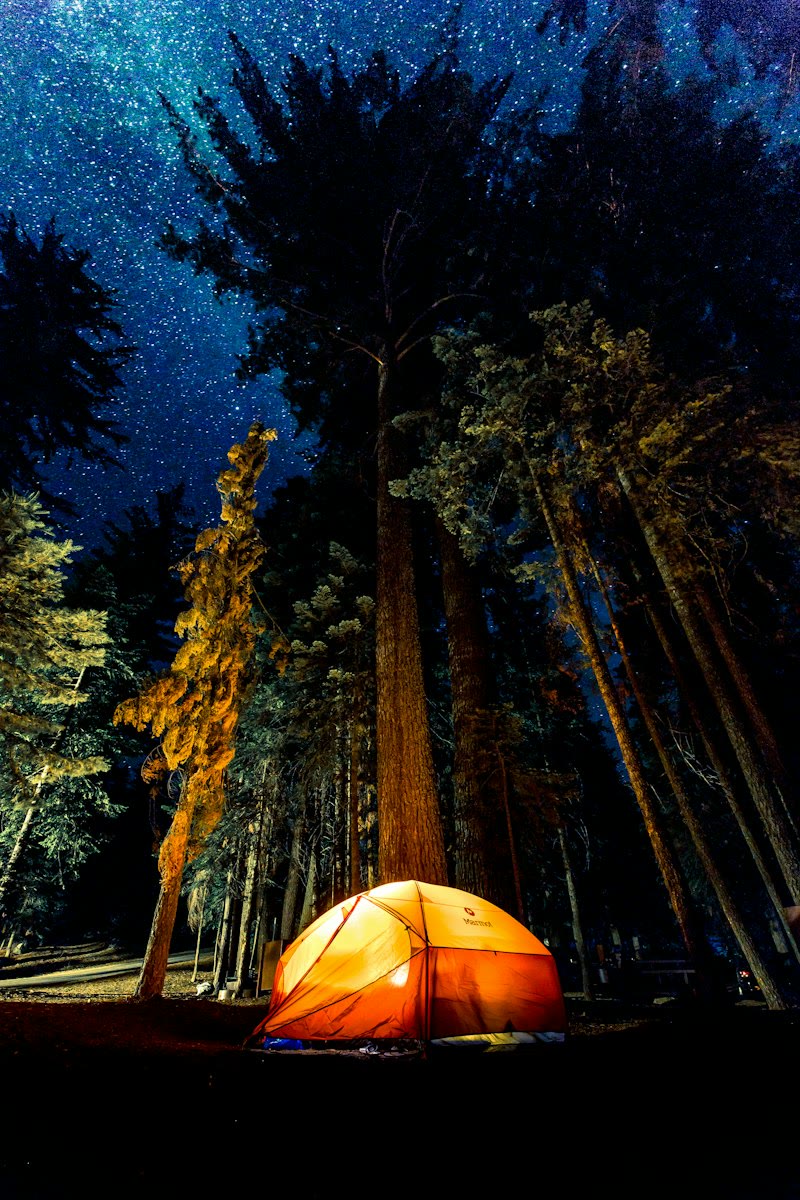
You sleep fine in the SUV, but dinner is the cold part: you’re hunched at the open hatch with chilly fingers and nowhere to dry your socks. A heated shelter next to the vehicle is the usual fix.
A stove-jack hot tent + portable wood stove is worth a look if you want a warm sit/sleep space outside the SUV on shoulder-season or winter trips (roughly teens–40°F nights), you have a legal fire/stove site, and you will pack a soft tent roll plus a foldable stove that fits a hitch tray, roof box, or rear tote. Stay in the cargo bay if you only do 1–2 mild nights, fire bans are common where you camp, or you refuse combustion gear near nylon.
Who this is for: SUV weekenders who already sleep OK in the vehicle but freeze at dinner or want a heated shelter for cooking, drying gear, and optional sleep. Not for you if you plan to duct a wood stove into the cabin, run any heater with the hatch sealed, or skip stove-jack clearance and CO habits.
Live FireHiking (Awin) picks for this use case: LEVA Plus 4–8 person hot tent, foldable titanium tent stove, hot tent & stove bestsellers, FireHiking store.
Quick answer: SUV bed vs hot tent
| Need | Prefer SUV sleep | Prefer hot tent + stove |
|---|---|---|
| Setup time | Minutes (mattress down) | 20–45+ min first pitches |
| Legal / ban risk | Low (no open fire) | High — check fire orders |
| Warmth while sitting | Poor (glass box) | Strong with a proper stove |
| Overnight CO / fire risk | Low if no combustion | Real — ventilation + stove craft required |
| Pack volume in daily driver | Mattress + soft bags | Tent roll + stove + pipe + wood plan |
| Best temps | ~35°F+ with good bag | Cold shoulder season / winter camping where allowed |
Many people run a hybrid: sleep in the RAV4/CR-V, pitch the hot tent as a heated porch for dinner and morning coffee. That keeps the mattress simple and still uses the stove where it belongs — outside the vehicle.
See also: hot tent vs sleeping in the SUV.
What “hot tent” means here
A hot tent is a shelter with a stove jack (reinforced hole + heat-resistant collar) so a wood-burning tent stove pipe can exit safely. Tipi / mid-style shelters (including FireHiking’s LEVA Plus) give headroom for standing, cooking, and drying socks — things an SUV cargo bay does poorly when it is 20°F out.
It is not a cabin heater for the car. Never route stove exhaust or radiant heat into the cargo area.
Stove pick for SUV packing
For car camping (weight less critical than backpacking, volume still matters):
| Feature | Why it matters in an SUV |
|---|---|
| Foldable titanium body | Collapses into a soft case for footwell / tote |
| Compatible pipe + spark arrestor | Required by many forests; check local rules |
| Flat, stable feet | Uneven dirt next to the parking pad |
| Cook top | One-pot dinner without a second stove |
| Carry weight ~few lb class | Easy to move when relocating camp |
FireHiking’s foldable titanium tent stove targets this “packs small, heats a canvas/nylon hot tent” niche. Browse bestsellers if you want the current bundle-style options.
Skip the stove if you only want an evening campfire vibe with no shelter heat — a portable smokeless fire pit is simpler (FireHiking’s was out of stock at FireHiking as of October 9, 2026; check the FireHiking store) (fire pit guide).
Pitch next to the SUV (car-camp workflow)
- Confirm rules — campground fire ring only? stove OK? spark arrestor? seasonal ban?
- Park for egress — leave a walk path from hatch to tent door; do not trap the vehicle against the fly.
- Flat-ish pad — stove needs level ground; bring a small shovel / flat rocks, not hope.
- Guy lines clear of doors — RAV4 hatch arcs are wide; stake outside the swing.
- Wood plan — local dead-and-down where legal, or buy bundles; wet wood = smoke + frustration.
- Water + extinguish plan — bucket or jug within reach before first light.
- CO / ventilation — stove jack + door/vent cracked as the manufacturer describes; never seal a hot tent airtight with a live fire.
- Sleep decision — mattress stays in SUV or pads move into tent; do not improvise both half-done at midnight.
Daytime: stove cold and bagged before driving. Ash only where the land manager allows.
Safety non-negotiables
- No combustion heaters in the cabin — CO kills; SUV camping guides that suggest propane Mr. Heaters inside sealed cargo are not this site’s advice.
- Clearance — follow stove and tent jack spacing; nylon melts; sparks happen.
- Kids / dogs — stove body and pipe get hot enough to burn badly.
- Carbon monoxide awareness — if anyone feels headache/nausea, out of the tent, fire out, fresh air.
- Embers — dead out and cold to the touch before you leave the site or go to sleep in the SUV with the tent unattended (prefer not to leave a hot stove unattended at all).
Cost & pack reality (ballpark, mid-2026 street)
| Kit piece | Role | Pack note |
|---|---|---|
| Hot tent with stove jack | Heated shelter | Soft roll; often roof-box or rear soft bag |
| Foldable tent stove + pipe | Heat + cook | Soft case in footwell or tote |
| Gloves, poker, spark arrestor | Safety / compliance | Small pouch |
| Optional fire pit | Social fire without full hot-tent setup | Carry bag; see fire-pit guide |
Exact prices move with sales — shop the FireHiking store and treat this as a second-layer kit after a working SUV sleep setup.
Not for you if…
- Fire bans cover most of your season
- You will not practice a stove fire at home/camp before a remote trip
- Your only overnight spots are urban street parking
- You expected the stove to heat the RAV4 cabin through a window
- You still lack a mattress, bag, and window covers — fix sleep in the vehicle first (under-$200 packing list)
FAQ
Can I use a tent stove to heat my SUV?
No. Do not pipe or place a wood stove into the cargo bay. Use the stove only in a proper stove-jack shelter outdoors, or skip combustion and improve bedding / ventilation instead.
Is a hot tent warmer than sleeping in the car?
While the stove is running, yes for sitting and drying gear. Overnight, an SUV with a solid mattress and cold-rated bag can still win on simplicity. Many campers heat the tent for evening, then sleep in the vehicle.
What size hot tent for SUV camping?
4–8 person tipi-style (such as FireHiking’s LEVA Plus class) is common for 1–3 people plus stove clearance. Measure your parking pad; bigger tents need more stake room beside the vehicle.
Do I need titanium?
No, but foldable titanium packs kindly in a daily driver. Heavier steel stoves work if you have hitch/cargo space and accept the weight.
Hot tent or just a fire pit?
Fire pit = social heat and cooking feel without a shelter. Hot tent + stove = enclosed warm space. Start with a smokeless fire pit if you only want evenings outside; graduate to a hot tent when cold weather is the point of the trip.