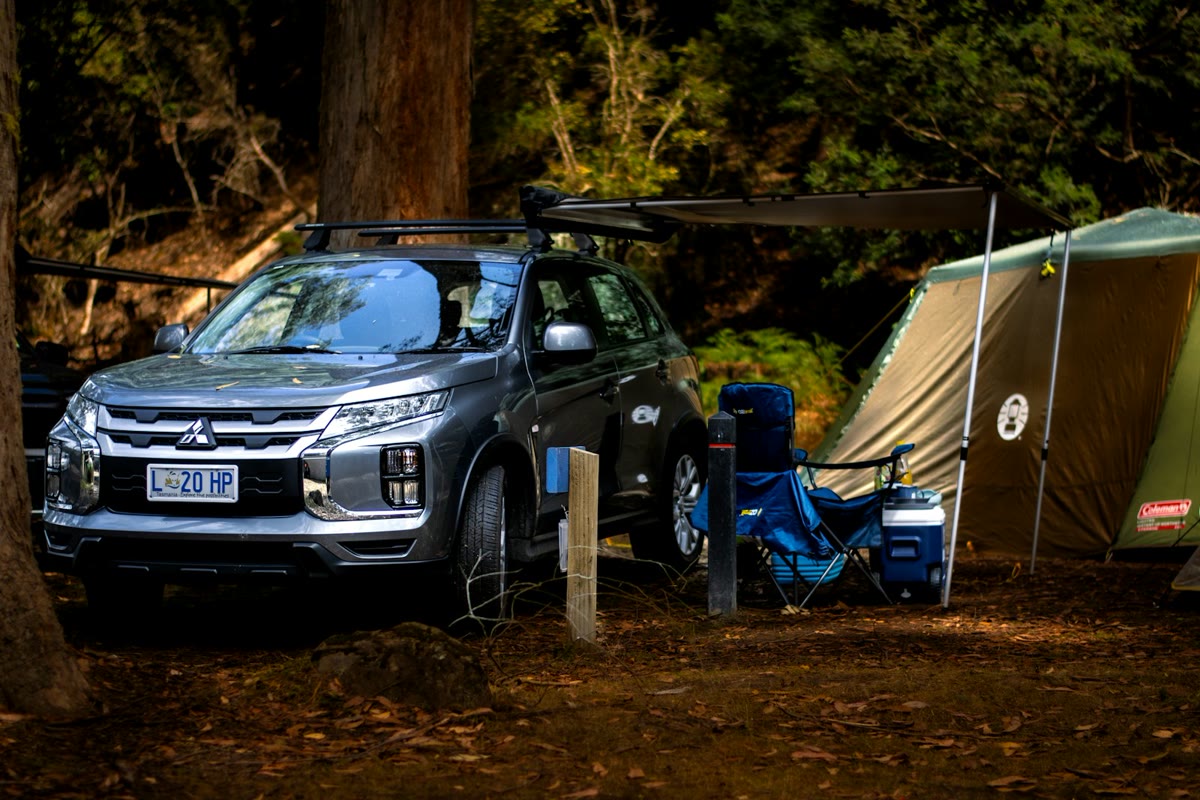
Picture your first night: you’ve parked, the light is fading, and you’re about to turn the back of your SUV into a bed.
Short answer: fold the rear seats flat and fill the gaps, pick a foam or air mattress you can store, cover the windows for privacy, and crack one window for air.
You don’t need a platform, a drawer system, or a custom mattress cut to make that work. You need a roughly level floor, something softer than carpet, a way to block light and prying eyes, and a plan for where daytime gear goes when the bed is down.
This guide is for a first weekend: trailhead, beach parking where allowed, or a quiet campground pull-through. No permanent modifications.
What “good enough” sleep looks like
Aim for:
- Hips not sitting in a seat-well trench
- Head slightly uphill if the lot is sloped
- Enough length to stretch (or a clear plan to sleep diagonally / bent knees)
- Condensation managed with a cracked window and a towel habit
- An exit path that is not buried under tote lids
If you wake up once to pee and otherwise sleep through, you won.
Step 1: Clear and flatten the cargo floor
- Fold the rear seats fully flat. Check your owner’s manual for the exact levers; some models need headrests removed or the front seats scooted forward.
- Feel the floor with your hand. Note humps: seatbacks that do not lay flush, a spare tire bulge, a plastic cargo sill.
- Bridge small gaps with a folded moving blanket, yoga mats, or a cheap closed-cell foam pad — not with random jackets that compress into lumps at 2 a.m.
- If the vehicle sits nose-down, park with the rear toward the downhill side when you can, or use plastic stackable leveling blocks under a wheel. One or two inches of slope feels worse than it looks.
You are not building a furniture-grade floor. You are removing the worst pressure points.
Step 2: Pick a mattress you can store
For beginners, two options dominate:
| Type | Pros | Cons | Best for |
|---|---|---|---|
| Tri-fold foam (twin) | Quiet, warm, no pump, predictable | Bulk when stored; may need two for width | Cool nights, shared sleep, simple packing |
| Auto-inflate SUV air mattress | Packs small; fills shape of cargo area | Noisier pump; cold if under-inflated; punctures | Tight cargo, occasional trips |
A standard twin tri-fold often fits length-wise in midsize SUVs with seats down. Measure cargo length with seats flat before you buy. If you share the vehicle with daily life, air mattresses win on storage; if camping is frequent, foam wins on sleep quality.
What to look for: a twin tri-fold foam mattress (~4″ thick, washable cover) or an SUV-shaped auto air mattress with a built-in or 12V pump. Measure your cargo floor first.
Bedding that actually works in a vehicle
- Sleeping bag or quilt rated a little colder than the forecast — cars lose heat through glass.
- One pillow you like at home; car camping is not the time to invent neck pain.
- A thin top sheet if you overheat easily; SUVs can swing 15°F overnight.
See also: foam tri-fold vs auto air mattress for a deeper comparison.
Step 3: Privacy and light without a build
Window covers do more than privacy: they cut streetlight and reduce radiant heat loss a bit.
Options:
- DIY Reflectix cut to each window (cheap, ugly, effective)
- Magnetic or suction fabric covers sized for your model
- Reflective sunshade for windshield + towels for side glass on night one
A starter approach: windshield shade + rear side covers + a light-blocking layer on the hatch glass. Look for a reflective window cover kit cut for your model, or DIY Reflectix trimmed to each window.
Leave one window cracked with a rain-aware vent or a slightly open rear hatch latch only where theft and weather allow. Full seal = wet ceiling by morning. Details: condensation & ventilation.
Step 4: Pack so the bed still fits
Rule: everything that is not bedding lives in one of three places overnight.
- Front seats / footwells — shoes, water, headlamp, keys, phone.
- Roof box or rear-most tote stack — bulky soft goods you will not need until morning.
- Outside under a locked hatch / hitch tray — only where secure and legal.
A simple collapsible cargo organizer stops the “avalanche when you open the hatch” problem. Soft duffels compress better than hard bins when mattress space is tight.
Day → night conversion checklist:
- Cook and wash before dark if you can.
- Move food smellables into the cabin or a locked container (bears / raccoons / parking-lot curiosity).
- Deploy mattress.
- Hang or stage headlamp.
- Set one water bottle and pee bottle / plan within reach.
- Confirm you can reach the door handle without yoga.
Safety and legality (the unsexy part)
- Sleeping in a vehicle is restricted in many cities and some trailheads. Read signs; have a backup campground pin.
- Crack ventilation; never run a fuel heater or generator in or into the cabin.
- Keep CO alarms in mind if anyone uses a stove under an awning near open windows.
- Cook and campfires stay outside the cabin. When you outgrow a backpack stove, FireHiking sells portable outdoor options like a titanium tent stove or a smokeless fire pit (browse the store; their pit was out of stock at FireHiking as of October 9, 2026) — never duct heat or exhaust into the cargo bay.
- Tell someone your rough overnight location.
- Park for egress: do not block yourself into a mud hole for a pretty view.
First-trip kit list (no build)
- Mattress (foam or air)
- Sleeping bag / quilt + pillow
- Window covers or Reflectix sheets
- Headlamp + spare batteries
- Water for drinking and a quick rinse
- Earplugs / eye mask
- Leveling blocks or a willingness to re-park
- Phone power bank (or see 300Wh vs 1000Wh)
- Trash bag and wet towel for morning condensation wipe-down
Common first-night mistakes
- Buying a mattress before measuring seats-down length and width
- Leaving the rear seatbacks at a soft “almost flat” angle
- Overpacking hard bins that steal hip space
- Sealing every window “because cold,” then waking soaked
- Assuming a 50°F night feels like 50°F when you are surrounded by glass
FAQ
Can you sleep in an SUV without building a platform?
Yes. You need a roughly level floor, something softer than carpet, a way to block light and prying eyes, and a plan for where daytime gear goes when the bed is down. No drilling or cutting wood.
How do I make the back of my SUV flat enough to sleep?
Fold the rear seats fully, feel for humps, and bridge small gaps with a folded moving blanket, yoga mats or a cheap closed-cell pad. If the lot slopes, park so your head is slightly uphill or use stackable leveling blocks under a wheel.
Should I leave a window open when sleeping in my SUV?
Crack one, yes. A cracked window plus a towel habit keeps condensation manageable. See how to stop condensation.
Should I buy a hot tent before I have a mattress?
No. Get a sleepable cargo floor first. Add a smokeless fire pit or hot tent + stove only when cold evenings or winter living space are the bottleneck — see hot tent vs SUV.
Can I heat the SUV with a camp stove or tent stove?
No. Keep all combustion outside the cabin. Use bedding, window covers, and ventilation instead; outdoor heat belongs in a stove-jack tent or open-air fire pit where legal.
Next steps
- Model-specific: RAV4 mattress & flat-floor guide · Honda CR-V mattress fit
- Wet windows in the morning: condensation & ventilation
- Mattress deep dive: foam vs air
- Power for fans and phones: 300Wh vs 1000Wh
- Cold-weather outdoor heat: hot tent & stove · smokeless fire pit
Start with one local overnight. Fix the one thing that annoyed you. That loop beats any Instagram build.