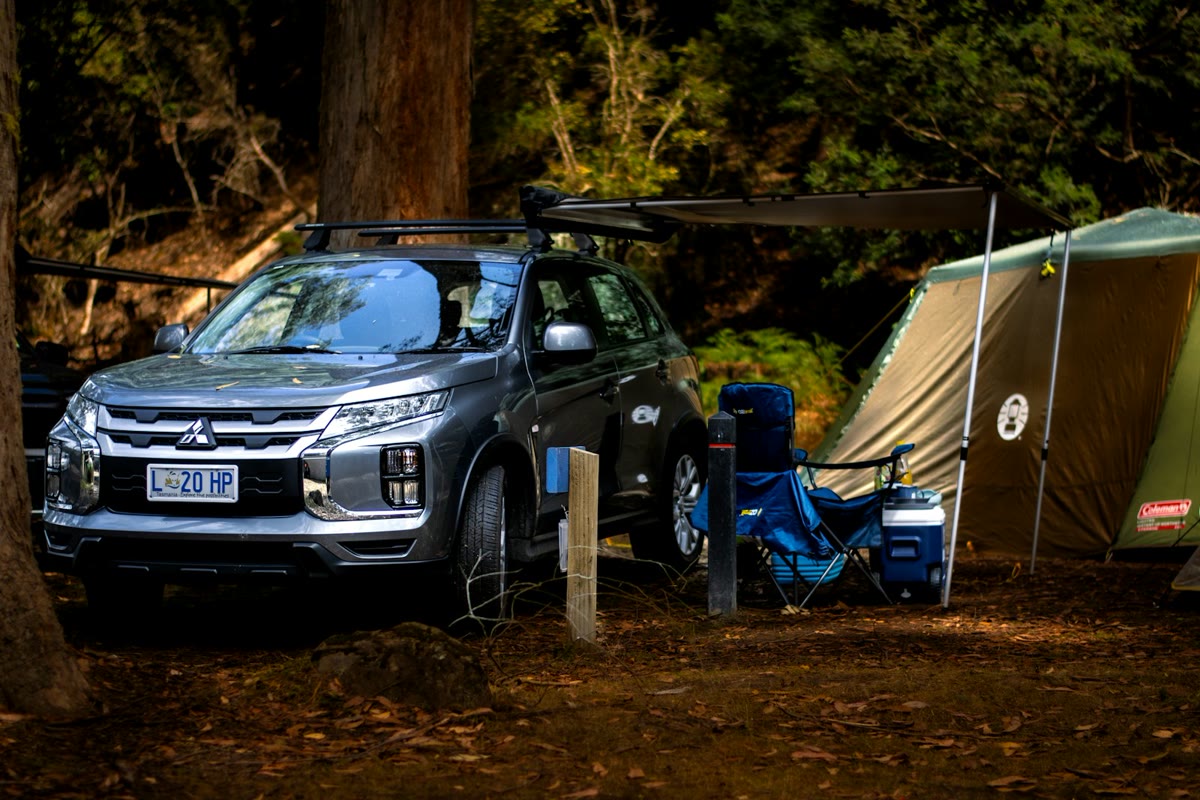
Imagine it’s 25°F, dinner is on, and you’re standing in a hoodie wondering whether tonight calls for a hot tent or just a warmer sleeping bag.
Sleep in the SUV if you want fast setup, low fire-ban risk, and a secure metal shell for 1–3 night trips above roughly freezing with a solid mattress and bag. Use a hot tent + tent stove if you need a warm place to stand, cook, and dry gear in real cold, you have legal stove/fire conditions, and you accept pitch time + combustion safety. Hybrid wins often: heat and hang out in the tent, sleep in the cargo bay.
Who this is for: SUV owners deciding whether FireHiking-class hot tent gear is the next purchase after a working car-camp sleep system. Not for you if you expected one article to bless heating the cabin with a wood stove (it will not).
Shop context (live Awin): hot tent (LEVA Plus), titanium tent stove, bestsellers, store (FireHiking’s smokeless fire pit was out of stock at FireHiking as of October 9, 2026).
Decision table
| Factor | Sleep in SUV | Hot tent + stove | Hybrid (common) |
|---|---|---|---|
| Setup | 5–15 min | 20–45+ min | Tent for evening; bed already in car |
| Warmth sitting up | Weak | Strong with stove | Strong evening / simple sleep |
| Overnight simplicity | High | Medium (fire watch habits) | High for sleep |
| Fire ban impact | Low | High | High for tent heat |
| Privacy | Window covers | Tent walls | Both |
| Weather | Wind noise; glass heat loss | Needs solid stakes; snow loading varies | Use tent as porch in wet/cold |
| Security | Locked vehicle | Soft shelter | Sleep locked in SUV |
| Pack bulk | Mattress-centric | Tent + stove + pipe | Both — roof box helps |
| Learning curve | Low | Stove craft required | Medium |
Warmth: physics without the brochure
An SUV is a glass greenhouse that becomes a refrigerator after dark. A good foam or air mattress plus a bag rated colder than the forecast fixes sleep. It does not fix standing around in a hoodie at 25°F cooking dinner.
A stove-jack hot tent fixes the living space: radiant + convective heat while the fire runs. When the fire dies, the tent cools — so overnight strategy matters. Many winter car campers:
- Run the stove for dinner / dry layers
- Bank or extinguish per skill level and land rules
- Sleep in the vehicle with the mattress system they already trust
That hybrid is why TrailCab covers both SUV sleep and hot tent + stove packing.
Cost layers (order of operations)
| Priority | Buy | Why |
|---|---|---|
| 1 | Mattress + bag + window covers | Every trip uses these |
| 2 | Leveling / ventilation habits | Sleep quality, less drip |
| 3 | Portable fire pit | Evening fire without full hot-tent kit |
| 4 | Hot tent + tent stove | Cold-season living space |
Do not buy a tipi stove kit to compensate for a $30 air mattress and a summer bag. Fix the bed first (under-$200 list).
Safety contrast
| Risk | SUV sleep | Hot tent + stove |
|---|---|---|
| CO from combustion | Avoid any heater venting into cabin | Real — vent, jack, habits |
| Theft / exposure | Better (lockable) | Worse |
| Burns / fabric melt | Low | Real around stove/pipe |
| Illegal camping attention | Vehicle-dependent | Tent more visible |
Hard rule for both lifestyles: no wood or fuel stove inside the cargo bay.
Which should you buy this month?
Choose SUV-only when trips are mild, short, or ban-heavy; when stealth/parking rules matter; when you are still iterating mattress fit (RAV4, CR-V).
Choose hot tent kit when cold weather is the trip, you have practiced stove use, and you want standing room. Start from FireHiking’s hot tent + foldable stove pairing.
Choose fire pit only when you want campfire feel without shelter heat — smokeless pit guide.
FAQ
Is sleeping in an SUV warmer than a hot tent?
With a dead stove, the SUV can feel simpler and sometimes warmer if bedding is right. With a live stove, the hot tent wins for living space. Compare your actual plan: sleeping vs hanging out.
Can I put a hot tent stove next to my open hatch?
Do not use the cargo bay as a fireplace. Keep combustion fully outside, clear of headliners, soft goods, and under-vehicle plastics. Radiant heat warps bumpers.
Do I need both a fire pit and a tent stove?
No. Pit = open fire. Stove = jacketed shelter heat. Own both only if your trip mix includes mild social fires and winter hot-tent nights.
What affiliate gear does TrailCab link today?
FireHiking via Awin is the live outdoor cook/heat partner: tents, stoves, fire pits. Elsewhere on the site, power stations link to ALLPOWERS and Jackery and 12V fridges to BODEGA. Mattresses and other gear without a live program are described in plain text — we do not invent tracking URLs for unapproved brands.